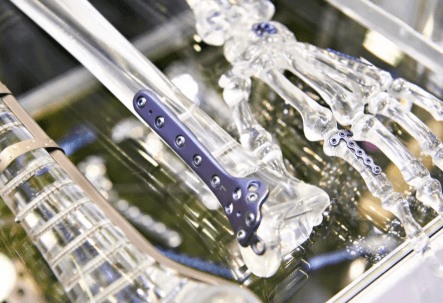
Healthcare technology continues advancing rapidly as medical innovation transforms treatment methods and surgical capabilities. Across hospitals, specialty clinics, trauma centers, and orthopedic facilities, modern healthcare increasingly depends on advanced medical technologies that support clinical precision and patient care. As orthopedic medicine evolves, orthopedic implant manufacturers play an important role in supplying healthcare systems with solutions that support orthopedic treatment environments.
Medical infrastructure today emphasizes quality, precision, and long-term reliability. Healthcare providers continue prioritizing technologies that strengthen procedural performance while improving operational efficiency.
As healthcare modernization expands globally, specialized medical manufacturing continues becoming increasingly valuable.
Understanding Orthopedic Implants in Modern Medicine
Orthopedic medicine focuses on conditions involving bones, joints, muscles, ligaments, and movement-related systems.
Healthcare environments commonly support treatment areas such as:
- Joint-related procedures
- Bone stabilization treatments
- Sports injury care
- Musculoskeletal treatment planning
- Trauma management support
Orthopedic healthcare increasingly depends on advanced medical technologies that align with modern clinical requirements.
Medical innovation continues influencing healthcare capabilities worldwide.
Why Medical Manufacturing Quality Matters
Healthcare environments often require highly specialized products that support precision and reliability.
Medical providers frequently prioritize:
- Product consistency
- Clinical precision
- Manufacturing reliability
- Long-term performance standards
- Operational quality control
Healthcare quality standards continue shaping medical manufacturing development.
Reliable medical infrastructure remains increasingly important within healthcare planning.
How Orthopedic Implant Manufacturers Support Healthcare Systems
Medical manufacturing quality directly influences healthcare capabilities and clinical workflows.
Several factors contribute to growing demand for specialized orthopedic manufacturing.
Precision Manufacturing Standards
Orthopedic healthcare environments often depend on highly controlled production standards.
Manufacturing precision may help support:
- Greater product consistency
- Improved healthcare reliability
- Stronger quality management practices
Precision remains essential across modern healthcare systems.
Support for Medical Innovation
Healthcare technology continues advancing rapidly.
Specialized medical manufacturing increasingly aligns with:
- Clinical technology development
- Healthcare modernization strategies
- Surgical capability advancement
Medical innovation continues driving healthcare improvement efforts.
Long-Term Healthcare Infrastructure Development
Healthcare organizations increasingly prioritize solutions capable of supporting evolving clinical requirements.
Reliable manufacturing contributes to:
- Greater operational consistency
- Improved healthcare readiness
- Stronger infrastructure planning
Healthcare development continues depending on high-quality medical manufacturing.
Healthcare providers and organizations exploring medical technology solutions may consider orthopedic implant manufacturers as part of broader healthcare planning strategies.
Healthcare Trends Continue Influencing Medical Manufacturing
Healthcare systems continue evolving alongside technological progress.
Several developments continue shaping manufacturing priorities.
Increased Focus on Clinical Precision
Healthcare environments increasingly prioritize technologies that support procedural consistency.
Precision remains a central healthcare objective.
Medical Technology Expansion
Technology advancement continues improving healthcare capabilities worldwide.
Innovation remains a major driver of medical progress.
Greater Healthcare Infrastructure Investment
Healthcare systems increasingly invest in modernization strategies.
Infrastructure planning supports stronger long-term clinical development.
Healthcare Facilities That Commonly Use Orthopedic Technologies
Orthopedic healthcare solutions continue supporting multiple medical environments.
Hospitals
Hospitals frequently prioritize advanced medical technologies that strengthen treatment capabilities.
Healthcare quality remains essential.
Orthopedic Specialty Centers
Specialized facilities increasingly emphasize precision-focused healthcare infrastructure.
Technology integration supports clinical performance.
Trauma Care Facilities
Trauma-focused environments continue depending on advanced medical support systems.
Healthcare reliability remains critical.
Rehabilitation and Recovery Centers
Healthcare systems increasingly support recovery-focused treatment environments.
Medical technology contributes to broader healthcare development.
Important Factors to Consider in Medical Manufacturing Planning
Healthcare infrastructure planning often involves balancing quality standards with operational goals.
Several factors commonly influence decision-making.
Manufacturing Reliability
Reliable production standards support healthcare consistency.
Operational quality remains important.
Precision Requirements
Healthcare environments frequently prioritize technologies capable of supporting specialized treatment needs.
Precision influences healthcare performance.
Long-Term Healthcare Development
Healthcare organizations increasingly prioritize infrastructure capable of supporting future medical advancement.
Scalable planning strengthens healthcare readiness.
How Healthcare Organizations Improve Clinical Performance
Medical organizations focused on long-term healthcare development often prioritize:
- Clinical precision
- Technology advancement
- Infrastructure modernization
- Operational reliability
- Quality-focused planning
Strategic healthcare investment supports stronger long-term outcomes.
Healthcare advancement increasingly depends on infrastructure aligned with evolving treatment requirements.
See also: Luxury Wellness Equipment Builder: Full Industry Overview for Spa Business Development
Frequently Asked Questions
1. Why is manufacturing quality important in healthcare?
Manufacturing quality supports reliability, consistency, and healthcare performance standards.
2. Why does healthcare infrastructure continue evolving?
Healthcare modernization supports improved treatment capabilities and long-term operational development.
3. Why is precision important in orthopedic healthcare?
Precision helps strengthen clinical consistency and supports healthcare quality objectives.
Conclusion
Modern healthcare continues evolving as medical technology advances and treatment capabilities expand. Specialized manufacturing remains an important factor supporting healthcare quality, precision, and long-term infrastructure development. As healthcare systems continue modernizing worldwide, advanced medical manufacturing solutions will remain increasingly valuable in strengthening future healthcare capabilities.