Table of Contents
- Introduction
- Expanding Access to Specialized Certifications
- Enabling Global Collaboration Among Educators
- Offering Flexible Professional Development Options
- Encouraging the Adoption of Innovative Teaching Tools and Techniques
- Creating Opportunities for Remote or Hybrid Teaching Roles
- Integrating Artificial Intelligence in Education
- Addressing the Demand for Green Expertise
- Conclusion
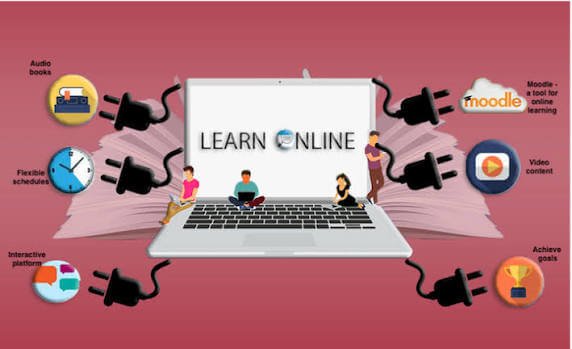
As the educational world evolves, online learning has become a game-changer for educators and learners alike. More professionals are leveraging technology to unlock new career pathways, acquire advanced credentials, and connect with global communities of practice. For working teachers and those aspiring to move up, options such as online masters in education make it possible to build expertise and advance careers without geographic limitations or sabbaticals. These advancements are reshaping not just how students learn, but also how educators grow and thrive in their professions.
Online education also caters to a broad range of needs. From addressing skill gaps in specialized teaching areas to making professional growth more flexible, digital learning platforms have become critical tools for supporting educators and expanding access to high-quality instruction. Virtual collaboration, innovative teaching technologies, and fresh approaches to both content and delivery are rapidly becoming expected aspects of modern education.
As schools increasingly value adaptability, teachers who actively seek out online training distinguish themselves as lifelong learners. They are prepared to address shifting workforce needs and are better positioned for remote or hybrid roles that have become far more common since the pandemic.
Beyond teacher development, digital platforms can serve as hubs for peer-to-peer mentoring and interdisciplinary collaboration, enriching the profession as a whole. As the benefits become more apparent, educators who engage with new technologies and accessible certification pathways will continue to shape the future of teaching.
Expanding Access to Specialized Certifications
Online education now provides greater access to advanced and niche certifications for teachers worldwide. Educators hoping to specialize in STEM instruction, English as a Second Language (ESL), or special education can pursue bespoke qualifications from accredited institutions without leaving their current posts. These online programs frequently offer up-to-date curricula aligned with best practices and local requirements, enabling more students to benefit from in-demand expertise. The accessibility of online certification programs has also contributed to ongoing efforts to close educational gaps in underserved regions, enabling teachers in remote communities to stay current and connected. This democratization of training inspires confidence among educators striving for excellence in ever-evolving classrooms, regardless of their location or background.
Enabling Global Collaboration Among Educators
Digital platforms have removed barriers to international collaboration. Through online forums, webinars, cross-border research projects, and teacher ambassador programs, educators from different regions share resources, research findings, and classroom strategies. This collaboration introduces a diversity of instructional ideas and strengthens professional bonds across borders, ultimately enhancing students’ educational outcomes globally. International networks like Edutopia highlight the benefits of this collective growth environment.
Offering Flexible Professional Development Options
Historically, professional development required teachers to step away from classrooms or travel, but digital learning has changed that equation. Online workshops, self-paced modules, and micro-credentials let teachers upskill on their own schedules and immediately integrate new knowledge into their daily practice. Flexible learning paths also support continuous improvement and make advanced qualifications accessible to teachers, balancing work, family, and community duties. These opportunities can help prevent teacher burnout, since educators can tailor learning experiences to their needs, interests, and the realities of their everyday lives, making career advancement more manageable and personally rewarding.
Encouraging the Adoption of Innovative Teaching Tools and Techniques
As digital learning platforms proliferate, educators gain hands-on experience with tools such as virtual whiteboards, game-based learning apps, and AI-driven analytics. With firsthand experience of tech-enhanced education, teachers can evaluate what works best for their students and integrate new resources with greater confidence. Digital fluency is no longer optional; it is crucial for keeping classrooms dynamic and engaging for learners of all ages. Furthermore, early adoption of innovative technology often opens new teaching possibilities, allowing educators to experiment with methods that may improve student engagement and retention across diverse settings.
Creating Opportunities for Remote or Hybrid Teaching Roles
The expansion of online education has opened doors to career options previously unavailable to most teachers. Remote, hybrid, or even freelance teaching roles are now feasible, especially for those who have completed online training or certification. This flexibility allows educators to teach students across regions and time zones, adapt to changing life circumstances, and experiment with new instructional delivery methods. As districts continue to prioritize blended and online modalities, teachers with digital experience will find even more career advancement pathways.
Integrating Artificial Intelligence in Education
Artificial intelligence is rapidly transforming the educational sector. Advanced algorithms personalize learner experiences, automate grading, and identify growth areas for both students and teachers. Universities such as the University of Southern California have developed specific programs for integrating AI into the classroom, ensuring that tomorrow’s educators are both tech-savvy and ethical in their use of these sophisticated systems. By staying at the forefront of AI literacy, teachers expand their professional toolkit and help shape a more responsive and equitable classroom environment.
Addressing the Demand for Green Expertise
The transition to a sustainable society depends on education that promotes environmental and green industry skills. Online programs now offer content in areas such as environmental science, sustainable business, and green engineering. These offerings meet growing labor market demand for eco-conscious expertise and position teachers to help students become part of the climate solution. Reports from global educational organizations confirm that sustainability-focused credentialing is only set to grow in the coming years.
Conclusion
Online education continues to reshape teaching careers by offering access, flexibility, and innovation. As educational technology advances, educators who invest in online learning remain agile, equipped, and prepared to tackle both the challenges and opportunities of tomorrow’s classrooms. Embracing these trends will not only enhance personal and professional growth but also ensure that education keeps pace with an ever-changing world. Teachers and school leaders who prioritize continuous online professional development will likely remain at the forefront of educational best practices, further strengthening schools and student success in the future.