Key Takeaways
- Hybrid work models are leading to smaller, more flexible office spaces.
- There’s a growing emphasis on high-quality, amenity-rich environments to attract employees.
- Technology integration and sustainability are becoming central to office design.
Introduction
The rapidly changing world of work is reshaping what it means to have an effective office environment. Companies are rethinking their needs and seeking solutions that provide both flexibility and comfort. As organizations adapt to modern work expectations, the trend toward hybrid arrangements and adaptable layouts becomes more evident. For businesses looking to stay ahead, recognizing these patterns will be essential for securing the best office space for rent in Manhattan and other major markets. These decisions can impact recruitment, retention, and overall productivity across diverse industries.
Innovations in office design now center around the needs of a dynamic workforce. Today’s employees expect collaborative areas, wellness initiatives, and technology-driven environments as part of their daily experience. Companies embracing these trends are poised to attract top talent and support growing business demands.
With commercial real estate in a period of transformation, landlords and tenants are also exploring smarter leasing models that cater to evolving space requirements. The changes taking place in the office sector are not just about aesthetics or amenities, but about creating sustainable, future-proof environments. These trends reflect deeper shifts in both work culture and employee expectations, touching every facet of office life.
Having an advanced, well-designed workspace is now seen as a competitive advantage. It is essential to keep track of new developments, from energy efficiency to tech-enabled systems, to provide a responsive and informed business environment.
Embracing Hybrid Work Models
The hybrid work model, blending remote and in-office work, is fundamentally transforming how businesses approach commercial real estate. As employees split time between home and office, the need for oversized, permanent spaces has decreased. Companies are reassessing their space needs, often opting for smaller footprints with flexible seating arrangements or shared workstations. This adaptation benefits organizations by reducing overhead and ensuring that every square foot is used efficiently. In turn, employees gain the flexibility to choose the work environment that best suits their productivity and well-being.
According to Harvard Business Review reports, firms that invest in flexible and hybrid approaches report stronger morale and better work-life balance among staff. This model requires continued investment in communication and collaboration tools to ensure that remote and in-person employees remain equally engaged.
The Rise of Flexible Workspaces
Flexible office spaces, such as coworking hubs and agile suites, have quickly become popular. These environments provide a solution for businesses that experience fluctuating workforce sizes or need temporary expansion options. Short-term leases and movable walls promote rapid configuration, enabling organizations to adapt layouts for team projects, individual focus work, or group meetings. Flexible spaces are also cost-effective, allowing companies to pay only for what they use and scale up or down with minimal disruption.
This shift toward adaptability is especially appealing to small and mid-sized businesses seeking to maximize resources and minimize long-term commitments. Additionally, shared amenities and services, such as reception, maintained break rooms, and on-site support, add value for tenants and their employees.
Prioritizing Employee Well-being
Employee wellness is taking center stage in contemporary office design. Organizations are investing in features that support both physical and mental health, including abundant natural lighting and indoor plants, ergonomic furniture, and quiet pods. Many offices now incorporate relaxation zones, fitness centers, and standing desks, creating environments that foster employee satisfaction and productivity.
Wellness extends to air quality, access to outdoor areas, and workplace policies that prioritize breaks and autonomy. According to the Forbes report on employee wellness programs, organizations with strong well-being initiatives see improvements in retention, engagement, and even healthcare costs. These benefits make well-designed workspaces a vital part of long-term business strategy.
Integrating Advanced Technology
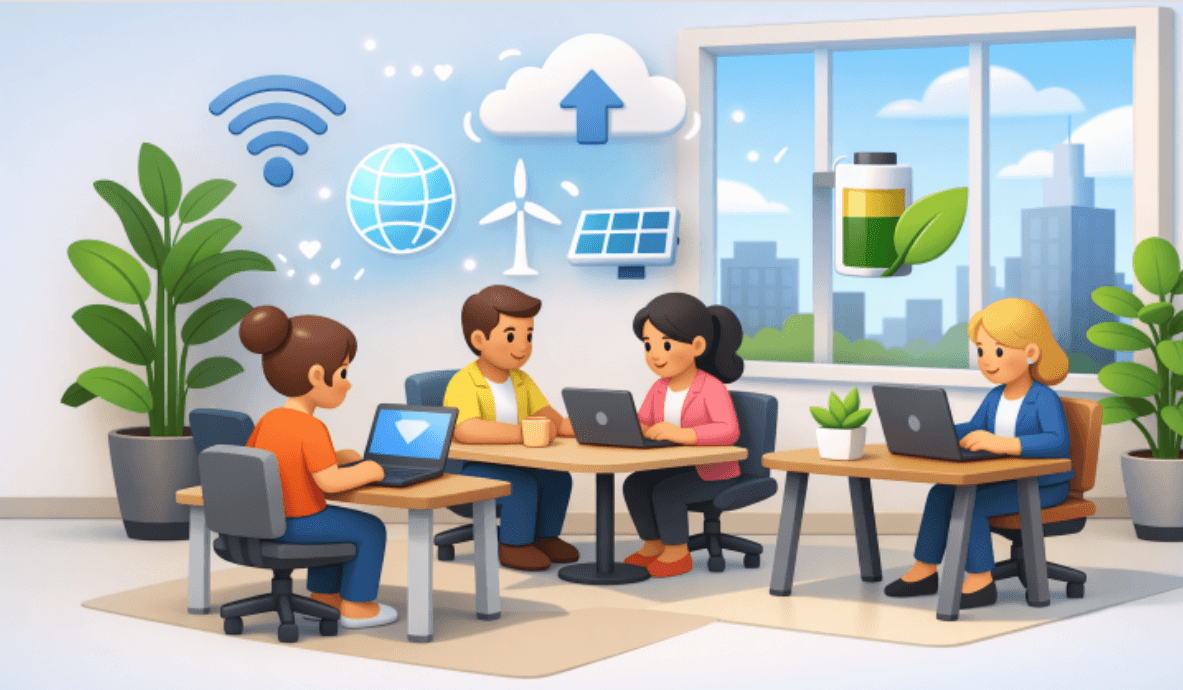
Modern office spaces are increasingly dependent on advanced technology. From smart lighting and climate controls to seamless video conferencing systems, technology is key to supporting productivity and collaboration in the office. High-speed internet and robust networking infrastructure enable cloud access and teamwork, whether employees are on-site or working remotely. Touchless entry systems, app-based room booking, and integrated building management solutions enhance safety, efficiency, and user experience for everyone in the workspace.
Embracing new technologies is no longer optional; it is critical for organizations aiming to support a tech-savvy workforce. According to a Wall Street Journal article on office design, the integration of intelligent infrastructure and digital tools is helping companies maximize efficiency and remain agile amid rapid change.
Focusing on Sustainability
Sustainable office design is fast becoming a crucial business imperative. Companies are investing in environmentally friendly practices such as energy-efficient lighting, sustainable construction materials, and water-saving systems. Certifications like LEED (Leadership in Energy and Environmental Design) increasingly guide corporate real estate decisions, helping organizations quantify and communicate their commitment to environmental responsibility.
These initiatives not only reduce operational costs but also enhance brand perception among eco-conscious clients and employees. As more organizations seek to minimize their environmental impact, sustainable office spaces are shifting from being niche features to standard expectations across the industry.
Designing for Collaboration
New office layouts prioritize collaboration and community. Open floor plans, communal kitchens, and breakout zones encourage spontaneous discussion and creativity. Modular furniture and flexible meeting spaces give employees the freedom to select settings that match their working style or project needs.
This focus on team-centered design fosters a sense of inclusion and shared purpose, both of which contribute to high performance and innovation. More open environments can break down traditional hierarchies and promote cross-functional teamwork, advantages that are increasingly valued in today’s business climate.
Conclusion
The evolving needs of businesses and employees alike are shaping the future of office spaces. A focus on flexibility, technology, sustainability, and well-being guides the transformation of the modern workplace. By embracing these trends, organizations can create environments that support both company goals and employee happiness. As the workplace continues to evolve, those who prioritize adaptability and innovation will have a clear advantage in attracting talent and achieving long-term success.