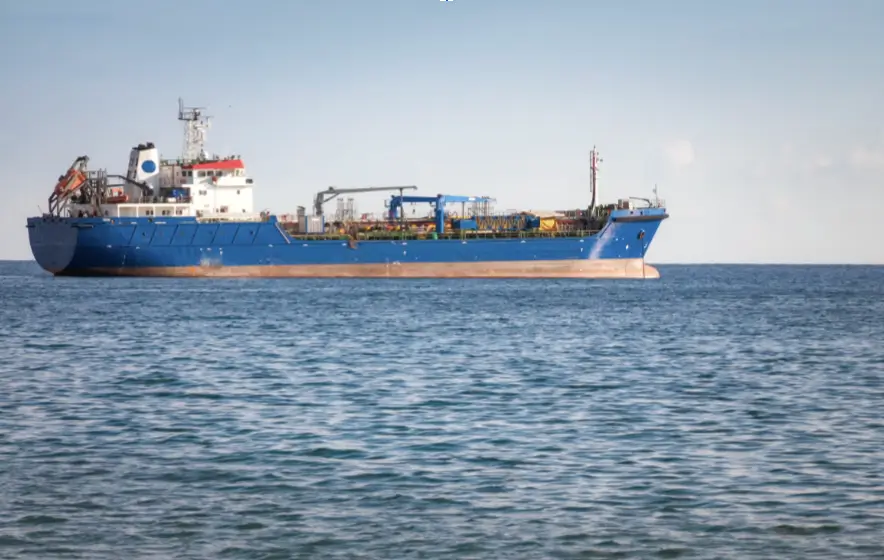
Maritime monitoring has moved far beyond simple map views. A modern marine vessel tracker now acts as an intelligence layer for surveillance, compliance, and operational control. For coast guard agencies and maritime authorities in the UAE, this shift is critical. Dense trade routes and strategic waters demand precise, real-time awareness.
Here is a structured view of how advanced vessel tracking systems support surveillance and decision-making.
What Defines a Modern Marine Vessel Tracker?
A marine vessel tracker is not limited to showing coordinates. It combines multiple data layers to present a complete operational picture.
At a basic level, it allows tracking through vessel name, International Maritime Organization (IMO) number, Maritime Mobile Service Identity (MMSI) number, and voyage details. At an advanced level, it delivers:
- Live position updates
- Full movement history
- Route progression and deviations
- Estimated arrival timelines
- Vessel-specific technical details
The value lies in how quickly and clearly this data is delivered.
The Technology Behind It
Tracking softwares depend on multiple data sources working together. No single method is sufficient on its own.
AIS Coverage
AIS signals form the base layer.
- Coastal receivers capture signals near ports
- Satellite networks extend coverage across oceans
- Mobile receivers help fill coverage gaps
This combined setup ensures fewer blind zones and more consistent updates.
Radar Support
Radar technology adds another dimension. It helps detect vessels that are not broadcasting signals. This is important for identifying irregular activity or deliberate signal gaps.
Data Layers
Beyond position, platforms include vessel specifications, ownership records, and flag information. This adds context, which is critical for surveillance work.
Features That Matter for Surveillance
Not every system is built for operational use. Coast guard teams require tools that move beyond visuals.
Fleet-Level Visibility
Monitoring multiple vessels at once is essential. A central dashboard helps track movement across zones without switching between systems.
Route Monitoring
Tracking routes over time reveals patterns. Sudden changes in direction or speed can indicate potential issues.
Alerts and Notifications
Timely alerts make a difference. Systems should flag:
- Entry into restricted areas
- Route deviations
- Unexpected signal loss
Quick alerts reduce reaction time.
Operational Impact on Coast Guard Work
A capable marine vessel tracker improves efficiency and control.
Traffic Handling
Live tracking helps manage vessel flow near ports and narrow routes. This reduces congestion and improves coordination.
Faster Response
Real-time updates allow quicker deployment of patrol units. Decisions are based on current movement, not delayed information.
Risk Awareness
Tracking tools help identify unusual behavior early. This supports preventive action rather than reactive measures.
Resource Allocation
Accurate arrival estimates help plan patrols and coverage more effectively.
See also: How to Choose the Right Accountant for Your Small Business in Toronto
Choosing the Right System
Selection depends on operational needs. A few factors remain consistent.
- Wide coverage for offshore visibility
- High update frequency for accuracy
- Access to historical data
- Ability to integrate with existing systems
Advanced platforms also include analytics, which help interpret patterns rather than just display data.
Role of Integrated Platforms
Solutions like SeaRates bring multiple tracking elements into one interface. Vessel movement, schedules, and route data are available together.
This reduces manual effort. It also creates a single source of information, which is useful for coordinated operations. For UAE-based surveillance teams, this approach supports consistency and speed.
Looking Ahead
Tracking is moving toward predictive insights. Systems are beginning to anticipate delays, detect unusual patterns, and highlight risks earlier.
The shift is clear. A tracking tool is no longer just for visibility. It supports planning, control, and long-term monitoring.
Closing Notes
Surveillance at sea depends on clarity and timing. A reliable marine vessel tracker provides both. It strengthens monitoring, improves response speed, and supports safer maritime operations.
For coast guard teams operating in busy waters, the right system becomes a critical part of daily operations.