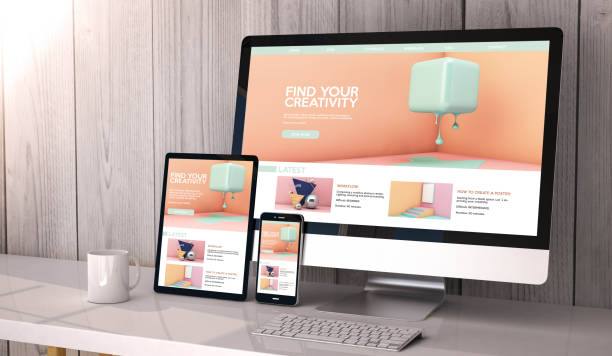
Creating a memorable online presence starts with strong visual foundations. Whether you are a local business owner or a digital entrepreneur, understanding what makes a website attractive can significantly influence user engagement and trust. For businesses investing in website design in Harrisonburg VA, visual appeal is not just about aesthetics. It directly impacts user experience, credibility, and conversion potential.
A visually appealing website communicates professionalism, clarity, and brand personality. It guides visitors smoothly through content while maintaining consistency and harmony. Below are the key elements that contribute to an engaging and visually impressive website.
Clean and Structured Layout
A well structured layout forms the backbone of a visually appealing website. When visitors land on a page, they should immediately understand where to look and how to navigate.
A cluttered interface overwhelms users and increases bounce rates. Clean layouts rely on spacing, alignment, and visual grouping to create clarity.
Key considerations include:
- Logical placement of headings, images, and key content areas
- Balanced margins and padding
- Clear separation between content sections
- Consistent alignment of text and visuals
A structured layout helps users process information effortlessly. It also supports accessibility by making content easier to scan and understand.
Effective Use of White Space
White space, also known as negative space, refers to empty areas between elements on a page. It does not have to be white. It simply means breathing room.
Websites that use white space effectively appear modern and sophisticated. This spacing reduces visual noise and allows key elements to stand out.
Benefits of proper white space include:
- Improved readability
- Better focus on important elements
- Enhanced visual hierarchy
- Reduced cognitive overload
White space creates balance. Instead of crowding information, it lets each element shine independently and enhances overall composition.
Consistent Color Scheme
Color plays a powerful psychological role in website design. A consistent color palette reinforces brand identity and shapes user perception.
For example, blue often conveys trust and professionalism, while green may suggest growth or sustainability. Warm tones can evoke energy, while neutral shades bring sophistication.
When selecting colors, designers typically:
- Use two to three primary brand colors
- Apply accent colors strategically
- Maintain strong contrast for readability
- Ensure accessibility for users with visual impairments
Consistency is crucial. Random or excessive color use can create confusion and reduce visual harmony.
Typography That Enhances Readability
Typography is more than choosing attractive fonts. It determines how comfortably users can read and interpret content.
Effective typography focuses on clarity and hierarchy. Headings should be distinct from body text, and font sizes should guide the reader through the content naturally.
Important typography principles include:
- Limiting font families to two or three
- Using adequate line spacing
- Maintaining readable font sizes
- Ensuring high contrast between text and background
Readable text builds trust. If users struggle to read content, they are unlikely to stay on the page.
see also: Driving Operational Excellence in Modern Theatres
High Quality Images and Visual Elements
Images are often the first thing users notice. High resolution visuals create immediate impact and emotional connection.
Professional photography enhances authenticity. Real images of teams, products, and locations often perform better than generic visuals.
Strong imagery should:
- Align with brand identity
- Be optimized for fast loading
- Support the surrounding text
- Maintain consistent style and tone
Custom graphics can also simplify complex information. Infographics, icons, and illustrations break up text and add personality.
These elements should complement the overall aesthetic rather than distract from it. Overuse of decorative graphics can reduce clarity.
Strong Visual Hierarchy
Visual hierarchy guides users through content in order of importance. It ensures that the most critical elements capture attention first.
Hierarchy is created through:
- Font size variation
- Color contrast
- Spacing
- Image placement
- Button prominence
For example, headlines should be larger and bolder than body text. Primary buttons should stand out visually from secondary elements.
A clear hierarchy helps users navigate content without confusion. It creates a seamless reading experience and improves engagement.
Responsive and Mobile Friendly Design
Today, a significant portion of website traffic comes from mobile devices. A visually appealing website must adapt to different screen sizes without losing structure or clarity.
Responsive design ensures that:
- Images scale properly
- Text remains readable
- Navigation stays accessible
- Buttons are easy to tap
Mobile friendly design is not optional. Poor mobile experiences can damage brand perception and drive users away quickly.
Fast Loading Speed
Visual appeal is closely tied to performance. Even the most beautiful design loses impact if the site loads slowly.
Large images, heavy scripts, and unoptimized assets can slow performance. A visually appealing website balances aesthetics with efficiency.
Strategies to maintain speed include:
- Compressing images
- Using modern file formats
- Minimizing unnecessary animations
- Leveraging caching systems
Speed influences user satisfaction and search visibility. Performance is a key component of visual experience.
Clear and Intuitive Navigation
Navigation design significantly affects how visually organized a website feels. Confusing menus create frustration and increase exit rates.
Effective navigation includes:
- Simple menu structures
- Descriptive labels
- Logical page grouping
- Visible search functionality
Well placed menus improve usability. When users can find information easily, the design feels intuitive and polished.
Consistent Branding Across Pages
Brand consistency strengthens recognition and trust. A visually appealing website reflects a cohesive identity throughout all pages.
This includes:
- Consistent logo placement
- Unified color scheme
- Repeated typography styles
- Similar image treatment
Every page should feel like part of the same story. Inconsistent design elements can make a website feel fragmented and unprofessional.
Engaging Hero Sections
The hero section is often the first visual area users encounter. It sets the tone for the entire website.
An effective hero section typically includes:
- A compelling headline
- Supporting subtext
- A strong visual focal point
- Clear directional cues
The goal is to immediately communicate value and capture attention without overwhelming visitors.
Balanced Use of Animation
Subtle animation can enhance user engagement when used thoughtfully. Hover effects, smooth scrolling, and micro interactions create a dynamic experience.
However, excessive animation can:
- Slow down performance
- Distract users
- Cause accessibility issues
Animations should support usability rather than overshadow content. Simplicity often results in stronger visual appeal.
Grid Systems and Alignment
Grid systems provide structure. They ensure that elements align properly across different sections.
Aligned content appears organized and professional. Misaligned text and images create visual tension and reduce trust.
Designers often rely on columns and consistent spacing to maintain order. Even asymmetrical layouts follow hidden structural guidelines that create balance.
Readable Content Blocks
Long paragraphs can overwhelm readers. Breaking content into digestible sections enhances visual clarity.
Effective formatting includes:
- Short paragraphs
- Clear subheadings
- Occasional bullet points
- Adequate spacing between sections
Scannable content improves user engagement and supports comprehension, especially for users browsing quickly.
Accessibility Considerations
Visual appeal must include inclusivity. Accessible design ensures that all users can interact with content effectively.
Accessibility best practices include:
- High contrast color combinations
- Descriptive alt text for images
- Keyboard friendly navigation
- Legible font sizes
An inclusive website reflects professionalism and responsibility. Accessibility also improves overall usability for every visitor.
Authenticity and Emotional Connection
A visually appealing website does more than look good. It creates emotional resonance.
Authentic elements such as real testimonials, genuine imagery, and transparent messaging foster trust. Visual storytelling connects users to brand values and builds credibility.
Emotional design elements can include:
- Warm imagery
- Human centered visuals
- Relatable scenarios
- Consistent tone
When users feel connected, they are more likely to engage deeply and explore further.
Simplicity Over Complexity
Modern web design trends emphasize minimalism. Simplicity reduces distractions and keeps the focus on core messages.
A simple design does not mean boring. It means intentional and purposeful.
Characteristics of simple design include:
- Limited color palette
- Clear content structure
- Clean typography
- Focused messaging
Complex visuals can dilute impact. Simplicity enhances clarity, elegance, and usability.
Trust Building Visual Cues
Visual elements can reinforce credibility without overwhelming the layout.
Examples include:
- Security badges
- Client logos
- Awards and certifications
- Professional imagery
These cues provide reassurance. Subtle placement ensures they enhance rather than clutter the design.
Conclusion
A visually appealing website combines aesthetics with usability, structure, and performance. It reflects brand identity while prioritizing user experience. From clean layouts and consistent colors to responsive design and strong typography, every element contributes to the overall impression.
Businesses focusing on professional web presence must recognize that visual appeal is not just decoration. It is a strategic component that influences engagement, trust, and long term growth. When design decisions are intentional and user centered, a website becomes both beautiful and effective.