Most people replace their bedding every few years without thinking much about it. A comforter starts to flatten, loses its warmth, and gets tossed out. That cycle costs more than it seems. Quality bedding, chosen with care, can last a decade or more, and that changes the math entirely.
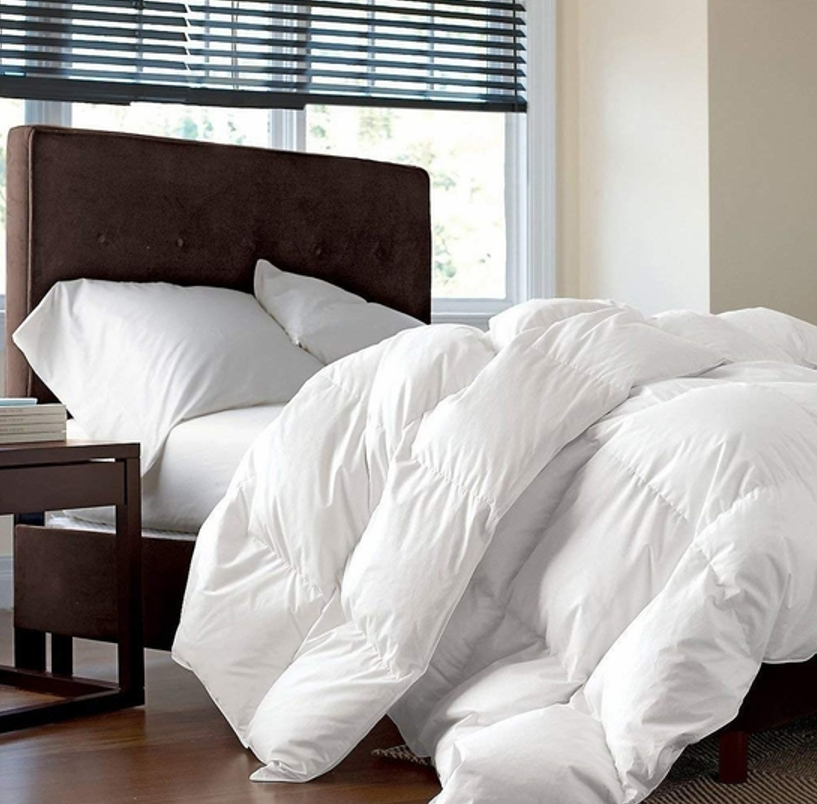
Cheap fills compress fast. The loft disappears within a season or two, and the warmth goes with it. A luxury down comforter, filled with premium goose or duck down, holds its structure season after season. The clusters expand, recover, and keep regulating temperature the way they always did. That kind of staying power is rare in most categories of home goods, and it matters more than most buyers initially realize.
Built to Outlast the Bedroom Trends
Long-Term Durability That Holds Up to Real Use: Most synthetic-fill alternatives feel convincing in the store. They’re light, affordable, and easy to find. Left alone long enough though, the polyester fibers break down and clump unevenly. Down clusters, particularly those sourced from mature birds with tightly structured plumage, resist that kind of compression. Fill power is the measure of how much loft one ounce of down can produce, and high fill power down maintains that loft for years with proper care. A comforter rated above 600 fill power will perform very differently from a budget option after just two or three winters.
The Real Cost of Replacing Cheap Bedding: A synthetic comforter priced around $60 to $80 might last two years before it starts to feel flat. That’s $30 to $40 per year, sometimes more when you factor in the time spent shopping and washing again. A quality down comforter at $400 to $600, cared for well, easily spans eight to ten years. The cost-per-year drops below $60. The math is not complicated, but a lot of people skip it entirely when they’re standing at the store and looking at the price tag.
Care That Keeps the Warmth Alive
Washing Without Wrecking the Fill: Down is sensitive to how it’s cleaned. Too much agitation or the wrong detergent strips the natural oils from the clusters, leaving them brittle and less lofty. Using a front-load washer on a gentle cycle, paired with a down-specific soap, protects those clusters over dozens of wash cycles. Drying with two or three clean tennis balls helps break apart any clumping and restores the original loft. It’s not complicated, just consistent.
Storage That Extends Lifespan Further:
- Store in a breathable cotton bag, not plastic, so moisture doesn’t get trapped and mildew doesn’t form.
- Avoid compressing the comforter for long periods, which permanently damages the cluster structure.
- Air it out every few months even during off-seasons to keep the fill fresh and lofted.
- Keep it away from direct sunlight during storage, as UV exposure weakens the fabric shell over time.
What Longevity Does for the Environment
Sustainability Through Buying Less Often: The bedding industry moves a staggering amount of product every year. Synthetic comforters are petroleum-based and not easily recyclable. They end up in landfills, often within just a few years of purchase. Choosing a natural down comforter that lasts a decade removes several replacement cycles from that equation entirely. It’s perhaps not the first reason someone picks premium bedding, but it becomes more meaningful once you see how often cheaper alternatives pile up.
The Thread Count Of The Shell Fabric Matters Here Too: A tightly woven shell with a higher thread count keeps clusters from escaping and protects the fill from external moisture and friction. Shells built with 300 thread count or above hold their integrity far longer than loosely woven alternatives. That outer layer is doing more work than most people credit it for, and it’s often where budget options cut corners first.
See also: Home Improvement for Small Spaces
When the Investment Becomes Obvious
Years Two Through Five Tell the Real Story: The first winter with a quality comforter feels noticeably different but perhaps not dramatically so. By year three or four, the gap between a premium fill and a cheaper alternative becomes impossible to ignore. The budget option is flat, patchy, and no longer doing its job. The quality piece still lofts properly, still regulates warmth, still looks presentable on the bed. That’s when the original price tag starts to look less like a splurge and more like common sense.
Softness That Doesn’t Fade With Washes: Down softens over time when cared for properly. That’s the opposite of what happens with synthetic fills, which harden and stiffen after repeated washing. The natural protein structure of down adapts gently with use rather than breaking down against it. Some people find their comforter noticeably softer after five years than it was when it arrived. That kind of aging-in-grace doesn’t happen by accident.
The Bed That Earns Its Place Every Night
Quality bedding is not a luxury purchase in the way people assume. It’s closer to a practical one. The upfront cost is higher, sure, but the decade of consistent warmth, reliable structure, and low replacement costs tells a different story than that first price tag suggests. If the idea of replacing bedding every two years feels exhausting, or wasteful, or just plain unnecessary, exploring a premium down comforter is worth more than a passing look. Start there, and let the math do the rest.