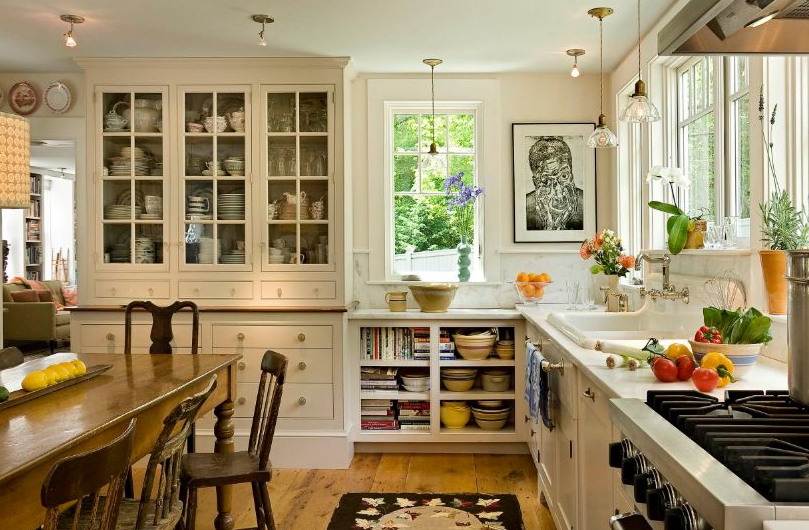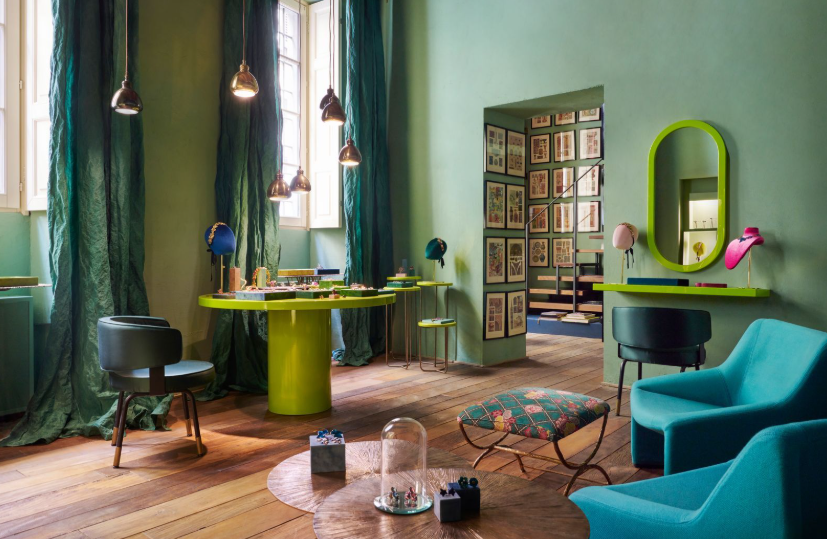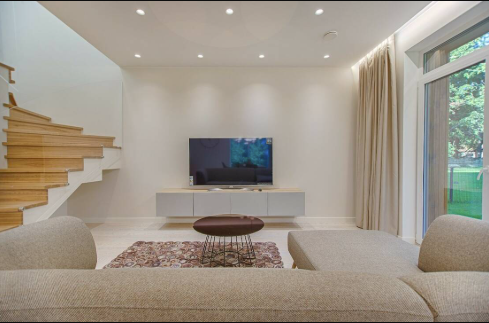
In the contemporary world, the concept of home has transcended its traditional definition. It is no longer merely a shelter or a static display of possessions. Instead, the modern home is a dynamic environment that serves as a canvas for self expression and a sanctuary for mental well being. As the pace of life outside accelerates, there is a growing collective desire to slow down and cultivate spaces that offer genuine comfort and emotional resonance. This shift has led to a re evaluation of interior design priorities where the focus moves away from superficial trends and towards longevity and sensory experience.
Creating a home that feels truly curated requires a departure from the instant gratification of fast furniture. It demands a thoughtful approach to materials, light, and layout. The goal is to build an environment that evolves with its inhabitants, telling a story through layers of texture and color. This philosophy, often referred to as slow decorating emphasizes the importance of quality over quantity and the beauty of adaptation over replacement.
The Foundation of a Living Space
The living room acts as the gravitational center of the home. It is where daily life unfolds from quiet mornings with a book to lively gatherings with friends. Because of this multifunctionality, the design of the living room must balance aesthetic appeal with practical durability. The seating arrangement is invariably the anchor of this space. The sofa dictates the flow of movement and establishes the visual weight of the room.
In previous decades, a worn out piece of furniture was often seen as a problem to be solved by purchasing something new. However, the rise of environmental consciousness has shifted this perspective. Many mass produced furniture frames are engineered to last for many years, while it is only the outer fabric or cushioning that succumbs to wear. Recognizing the value in these existing structures allows for a more sustainable approach to design. By utilizing high quality Kivik sofa covers, homeowners can revitalize their living space without the environmental footprint associated with manufacturing and shipping new furniture. This solution offers the flexibility to update the aesthetic of the room to match shifting tastes or seasonal changes while preserving the integrity of the underlying furniture.
Revitalizing a sofa does more than just save a frame from the landfill. It allows for a level of customization that is rarely available in standard retail settings. It empowers the homeowner to act as the designer, choosing specific fabrics and colors that align perfectly with their vision rather than settling for the limited options on a showroom floor.
The Sensory Language of Texture
Once the primary furniture pieces are established, the design process moves to the sensory details. Interior design is a tactile discipline. The way a room feels to the touch is just as important as how it looks. Texture serves as the secret language of a room, communicating warmth and depth. Without a diversity of texture,s a room can feel flat and uninviting regardless of the color palette. The interplay of rough and smooth surfaces creates visual friction that keeps the eye engaged and adds a sense of sophistication.
The current resurgence of rich tactile fabrics is a response to the digital flatness of modern life. Velvet has returned as a favorite for those seeking a touch of luxury. Its dense pile absorbs light, creating deep saturated colors that change depending on the angle of view. A velvet armchair brings a sense of history and softness to a room, inviting users to linger.
In contrast, natural fibers like linen and cotton speak of simplicity and airiness. Linen, with its characteristic weave and natural imperfections, adds an organic quality that feels relaxed and unpretentious. It is an ideal choice for creating a calm sanctuary like atmosphere. Corduroy is another texture that has found its way back into contemporary hearts offering a unique combination of nostalgia and durability. Its structured ridges provide a satisfying hand feel and a robust quality that makes it perfect for family homes.
Expanding Texture Beyond Furniture
While furniture provides the immediate tactile connection, the walls of a room offer a vast canvas for adding depth. Often treated as mere backdrops, walls have the potential to significantly influence the atmosphere of a space. The trend of moving away from flat matte paint towards more dimensional finishes is gaining momentum. This approach adds a layer of architectural interest even in rooms that lack period features like molding or cornices.
Understanding how to manipulate wall surfaces is key to a cohesive design. As explained in the Architectural Digest guide on how to add wall texture in your home, incorporating techniques such as limewash or plaster can introduce a physical dimension that flat paint simply cannot achieve. These methods create subtle variations in shadow and light, giving the walls a tactile quality that complements the fabrics in the room. A rough plaster wall paired with a smooth linen sofa creates a dynamic contrast that elevates the entire aesthetic.
This holistic approach to texture ensures that every surface in the room contributes to the overall narrative. It creates a cocooning effect where the walls and furniture work together to wrap the inhabitant in comfort. Whether it is through the application of textured wallpapers or the use of specialized painting techniques treating the walls as an integral part of the sensory experience is a hallmark of sophisticated interior design.
Sustainability and the Circular Economy
The conversation around interior design is now inseparable from the urgent need for sustainability. As awareness of the climate crisis grows, there is a critical re evaluation of consumption habits within the home sector. The era of fast furniture, characterized by cheap materials and short lifecycles, is giving way to a more ethical approach. Homeowners are increasingly asking questions about the provenance of their items, the materials used in production, and the end of life options for their furniture.
True sustainability in the home is about making conscious choices that extend the lifespan of objects. It involves a shift from a linear economy where items are made, used and disposed of to a circular economy where items are made, used repaired and reused. This is where the quality of materials becomes paramount. Investing in durable natural or recycled materials ensures that items can withstand the rigors of daily life and can be maintained rather than replaced.
The repair economy is a critical component of this sustainable future. Instead of viewing a stain or a tear as the end of a product’s life it is viewed as an opportunity for renewal. Being able to remove and wash covers, repair scratched wood or repaint a wall allows the home to adapt to the messy reality of life. It removes the anxiety often associated with precious or fragile interiors, making the home a space for living rather than just looking.
See also: Home Improvement for Small Spaces
The Emotional Resonance of Color
Color is perhaps the most immediate and powerful tool in the designer’s arsenal. It has the ability to alter the perceived size of a room, change the temperature of the light and profoundly influence the mood of the inhabitants. The psychology of color is a well studied field and its application in the home is critical for creating a supportive environment.
We are currently seeing a move away from the stark clinical whites and cool greys that defined the minimalism of the previous decade. While these colors offer a clean slate, they can sometimes feel sterile or uninviting. In their place, there is a rising preference for new neutrals and earth tones. Warm beiges soft terracottas, and creamy off whites provide a gentle and enveloping background that feels nurturing. These hues reflect natural light beautifully, creating a soft glow that enhances the sense of calm.
For those seeking to inject more energy into their homes nature inspired colors are a perfect choice. Deep forest greens and oceanic blues connect the interior with the landscape outside. These colors are known to reduce stress and promote focus, making them excellent choices for home offices or reading corners. Richer spice tones such as rust mustard and burgund,y add heat and vitality. They stimulate conversation and create a cozy hospitable atmosphere that is perfect for dining areas or evening lounges.
The flexibility of replaceable covers allows homeowners to experiment with these colors without the fear of long term commitment. One can embrace a bold trend for a season and then revert to a neutral palette when the mood shifts. This fluidity encourages creativity and prevents the stagnation of design allowing the home to reflect the changing seasons or the personal growth of its owners.
Lighting and Atmosphere
No discussion of interior design is complete without addressing lighting. Light is the medium through which we perceive all other design elements. It affects how we see color, how we perceive texture, and how we navigate a space. A well-designed lighting scheme is layered, combining ambient, task, and accent lighting to create a flexible environment.
Ambient lighting provides the general illumination of the room usually from ceiling fixtures. However, relying solely on overhead lighting can result in a flat and uninspiring atmosphere. To create depth and mood, it is essential to incorporate lower level lighting sources. Table lamps, floor lamps, and wall sconces cast pools of light that draw the eye to specific areas and create a sense of intimacy.
The temperature of the light is also crucial. Cool, blue tinted light can feel harsh and is best reserved for task areas like kitchens or bathrooms. In living areas and bedrooms, warm yellow tinted light mimics the glow of a fire or the setting sun, signaling to the body that it is time to relax. The use of dimmer switches provides the ultimate control, allowing the atmosphere of the room to change instantly from bright and energetic to soft and romantic.
The Future of Adaptive Living
As we look toward the future of housing flexibility will become a key requirement. Urban living spaces are becoming smaller and more expensive, necessitating furniture and layouts that can serve multiple functions. We are likely to see a continued rise in modular furniture that can be reconfigured to suit different needs, as well as a focus on smart storage solutions that help maintain a clutter free environment.
Innovation in textile technology will also play a role. We can expect to see fabrics that are even more resistant to stains and wear without the use of harmful chemicals as well as textiles derived from agricultural waste and recycled plastics. These advancements will make it easier than ever to maintain a beautiful home that aligns with ethical values.
The intersection of technology and design will also play a role. From apps that allow us to visualize different textures in our living room before we buy to smart fabrics that regulate temperature, the future of interior design is one of enhanced comfort and personalization. However, amidst all this innovation, the core human need for a sanctuary will remain unchanged. The desire to retreat to a place that feels safe, warm, and familiar is universal.
Conclusion
Creating a home that feels truly yours is a journey, not a destination. It requires patience, observation, and a willingness to listen to your own needs rather than the noise of external trends. It is about understanding that the most stylish object in a room is often the one with a story and the most luxurious fabric is the one that feels right against your skin.
By choosing to revitalize what we already own by selecting materials that respect the planet and by curating our spaces with care, we craft environments that stand the test of time. A thoughtfully designed home is a partner in life, a backdrop for memories, and a constant source of comfort. In the end, the goal of interior design is not to impress others but to create a space where you can be your most authentic self.