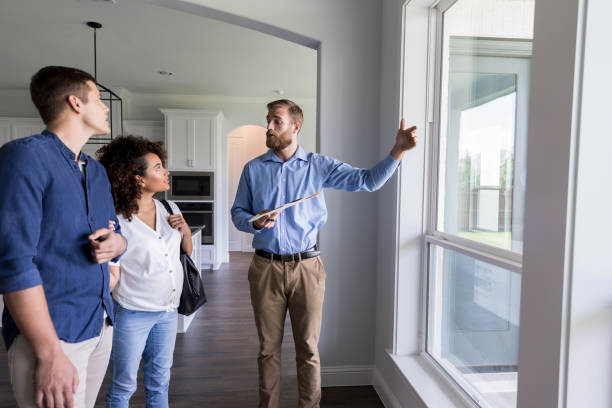
Buying, building, or renovating a home is one of the most important decisions a homeowner can make. Whether you’re purchasing a new property, constructing your dream house, or planning major renovations, ensuring the structure is safe and compliant is essential. This is where a Residential Building Inspector plays a vital role.
A residential building inspector helps protect homeowners by assessing properties for safety, structural integrity, and compliance with building regulations. In this complete guide, we’ll explore what a residential building inspector does, when you need one, what inspections include, and why their expertise is so important.
What Is a Residential Building Inspector?
A residential building inspector is a qualified professional who evaluates homes and residential buildings to ensure they meet safety standards, building codes, and structural requirements. Their job is to identify defects, risks, and areas that may require repair or improvement.
They may be involved in:
- New home construction inspections
- Pre-purchase property inspections
- Pre-sale inspections
- Renovation inspections
- Compliance and safety assessments
Their primary goal is to ensure that the property is safe, structurally sound, and built according to relevant regulations.
Why Residential Building Inspections Matter
Homes may look perfect on the surface, but underlying issues can exist behind walls, under floors, or within the roof structure. A professional inspection provides clarity and peace of mind.
1. Ensures Structural Safety
A building inspector evaluates the structural framework, including foundations, walls, floors, and roofing systems. Structural problems can compromise safety and lead to serious long-term issues.
2. Identifies Hidden Defects
Not all problems are visible during a casual walkthrough. Inspectors look for hidden concerns such as moisture damage, poor workmanship, or incomplete construction work.
3. Confirms Code Compliance
Residential buildings must comply with local building codes and safety regulations. An inspector checks whether the property meets these requirements.
4. Supports Informed Decisions
Whether buying or renovating, inspection findings help homeowners make informed decisions and plan necessary actions.
When Should You Hire a Residential Building Inspector?
There are several key situations where hiring a residential building inspector is highly recommended.
Before Buying a Property
A pre-purchase inspection helps you understand the true condition of the home. It reduces the risk of unexpected problems after moving in.
During New Construction
Inspections at various construction stages ensure the work is being completed correctly and according to approved plans.
Before Selling a Home
A pre-sale inspection allows sellers to address issues early and present the property confidently to potential buyers.
Before Renovations or Extensions
If you’re planning structural modifications, inspections help ensure the existing building can safely support changes.
After Severe Weather Events
Storms, heavy rains, or natural events can impact structural integrity. An inspection can assess potential damage.
What Does a Residential Building Inspector Check?
A comprehensive residential inspection covers multiple aspects of the property. The scope may vary depending on the type of inspection, but typically includes:
1. Structural Components
- Foundations
- Load-bearing walls
- Roof framing
- Beams and supports
- Floors and ceilings
Inspectors look for cracks, movement, sagging, or signs of structural stress.
2. Roofing System
- Roof covering condition
- Flashings
- Gutters and drainage
- Signs of leaks or water penetration
Roof problems can lead to costly internal damage if not addressed.
3. Exterior Elements
- External walls
- Cladding
- Windows and doors
- Balconies and decks
They assess deterioration, improper installation, and safety hazards.
4. Interior Areas
- Walls and ceilings
- Doors and windows
- Staircases
- Flooring condition
Inspectors check for damage, uneven surfaces, and construction defects.
5. Moisture and Water Damage
Water intrusion is one of the most common and serious building issues. Inspectors look for:
- Damp patches
- Mold indicators
- Poor drainage
- Plumbing-related damage
6. Ventilation and Insulation
Proper airflow and insulation are essential for comfort and durability. Poor ventilation can lead to condensation and structural deterioration.
7. Compliance with Building Standards
The inspector ensures that the property adheres to local building regulations and approved plans.
Types of Residential Building Inspections
Different inspection types serve different purposes. Understanding these helps homeowners choose the right service.
Pre-Purchase Inspection
Conducted before buying a home to assess overall condition and identify risks.
New Construction Stage Inspections
Often carried out in stages such as:
- Foundation stage
- Framing stage
- Lock-up stage
- Final completion stage
These inspections ensure quality and compliance throughout construction.
Defect Inspection
Focused on identifying construction defects in new or recently built homes.
Renovation Inspection
Ensures renovation work meets structural and safety requirements.
Handover Inspection
Conducted before final handover of a newly built property to confirm completion quality.
The Inspection Process: Step-by-Step
Understanding how the inspection process works helps homeowners feel prepared.
Step 1: Scheduling
The homeowner or buyer arranges a suitable inspection time.
Step 2: On-Site Assessment
The inspector performs a detailed physical examination of accessible areas of the property.
Step 3: Documentation
Photographs, notes, and measurements may be recorded.
Step 4: Reporting
A detailed report is prepared outlining:
- Identified issues
- Severity levels
- Safety concerns
- Recommendations for action
See also: Smart News Platforms for Daily Updates
The report serves as an essential reference document.
What a Residential Building Inspector Does Not Do
It’s important to understand the limitations of a building inspection.
- They do not perform invasive testing unless agreed upon.
- They do not provide engineering certifications unless specifically qualified.
- They do not guarantee future performance of building components.
- They do not typically inspect concealed areas that are inaccessible.
An inspection focuses on visible and accessible elements at the time of assessment.
Qualifications and Skills of a Residential Building Inspector
A professional residential building inspector typically has:
- Formal training in construction or building sciences
- Knowledge of local building codes
- Practical experience in residential construction
- Strong attention to detail
- Analytical and reporting skills
Experience in structural systems, materials, and construction methods is critical.
Common Issues Found During Inspections
Many residential properties, even newer homes, can have defects. Some commonly identified issues include:
- Cracked foundations
- Uneven floors
- Roof leaks
- Poor drainage around the property
- Defective waterproofing
- Inadequate ventilation
- Structural movement
- Substandard workmanship
Identifying these issues early helps prevent further damage.
Benefits of Hiring a Residential Building Inspector
Peace of Mind
Knowing your home is safe and structurally sound reduces stress and uncertainty.
Protection Against Risk
Early identification of defects prevents future complications.
Stronger Negotiation Position
Inspection reports provide documented evidence of the property’s condition.
Long-Term Maintenance Planning
Reports can serve as a guide for maintenance priorities.
How to Choose the Right Residential Building Inspector
Selecting a qualified professional is essential. Consider the following:
Check Qualifications
Ensure the inspector is properly licensed and trained according to local regulations.
Experience Matters
Inspectors with hands-on construction experience often provide deeper insights.
Ask for Sample Reports
Reviewing a sample report helps you understand the level of detail provided.
Verify Professional Memberships
Membership in professional associations may indicate adherence to industry standards.
Communication Skills
The inspector should clearly explain findings and answer questions in understandable terms.
Preparing for a Residential Building Inspection
Homeowners can take simple steps to ensure a smooth inspection:
- Provide clear access to all areas
- Unlock garages, sheds, and access panels
- Remove obstacles blocking inspection points
- Share any known issues or concerns
Clear access allows for a more thorough evaluation.
Understanding the Inspection Report
Inspection reports typically categorize issues based on severity. Common categories include:
- Minor maintenance items
- Moderate concerns requiring attention
- Major defects needing urgent action
- Safety hazards
Reading the report carefully and discussing it with the inspector ensures full understanding.
Residential Building Inspector vs. Other Professionals
It’s helpful to distinguish between different roles in residential construction:
- Building Inspector: Evaluates overall structure and compliance.
- Structural Engineer: Provides technical analysis and structural design advice.
- Pest Inspector: Focuses on termite or pest damage.
- Electrician/Plumber: Examines specific service systems.
A residential building inspector may recommend further assessment by specialists when needed.
Long-Term Value of Building Inspections
A residential inspection is not just about identifying problems—it’s about protecting long-term investment.
Regular inspections can:
- Extend building lifespan
- Prevent structural deterioration
- Support ongoing maintenance planning
- Improve safety for occupants
For homeowners, the inspection process provides a structured approach to understanding their property.
Final Thoughts
A residential building inspector plays a critical role in safeguarding homes and ensuring construction quality. Whether you’re buying, building, renovating, or maintaining a property, a professional inspection provides valuable insights into structural integrity, safety, and compliance.
By identifying defects early and offering clear recommendations, residential building inspectors help homeowners make informed decisions and protect their investments. Choosing a qualified inspector and understanding the inspection process ensures that your home remains a secure and sound environment for years to come.
If you are planning any residential property decision, involving a professional building inspector is a practical and responsible step toward protecting your home and your peace of mind.