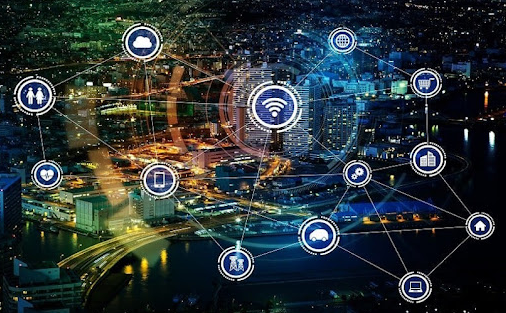
Digital communication has undergone a remarkable transformation over the years. From the simplicity of analog methods to the complexity of digital platforms, each phase has reshaped how people connect. Email and instant messaging introduced immediate interactions, while social media broadened the landscape for content creation. As mobile technology made communication more accessible, it paved the way for spontaneous exchanges. Yet, the horizon promises even more profound changes with advancements in virtual reality and artificial intelligence. What might this mean for future interactions?
The Dawn of Digital Communication
As the world transitioned from analog to digital technology, the dawn of digital communication marked a pivotal shift in how information was exchanged.
The email revolution democratized communication, enabling swift, direct interactions across the globe.
Concurrently, instant messaging emerged, further bridging distances and fostering real-time conversation.
This transformation empowered individuals, breaking down barriers and enhancing the freedom to connect and share ideas effortlessly.
See also: speednewscentral
The Rise of Social Media
With the advent of social media platforms, communication underwent another revolutionary transformation, reshaping the way individuals interact and share information.
These platforms fostered unprecedented user engagement, allowing individuals to connect across vast distances and cultivate communities based on shared interests.
The democratization of content creation empowered voices previously marginalized, illustrating the profound impact social media has had on global communication dynamics.
The Impact of Mobile Technology
Mobile technology has revolutionized communication by placing powerful tools directly in the hands of users.
With the proliferation of mobile apps and instant messaging, individuals can connect instantly, transcending geographical barriers. This accessibility fosters a sense of freedom, enabling spontaneous interactions and real-time collaboration.
Consequently, mobile technology not only enhances personal relationships but also redefines professional communication, empowering users to engage without constraints.
The Future of Digital Interaction
How will emerging technologies shape the landscape of digital interaction?
Virtual reality and artificial intelligence are set to redefine human connection. As immersive experiences become mainstream, users will engage in virtual environments, fostering deeper social bonds.
Meanwhile, AI will personalize interactions, predicting needs and preferences. This synergy promises to enhance communication, offering individuals unprecedented freedom to explore relationships within digital realms.
Conclusion
In the grand tapestry of human interaction, digital communication has transformed from mere whispers of ones and zeros to a thunderous symphony of voices echoing across continents. Social media erupted like a supernova, scattering diverse ideas into the cosmos, while mobile technology unleashed a tidal wave of connectivity at our fingertips. As we stand on the precipice of virtual reality and artificial intelligence, the future promises to catapult us into realms of connection previously confined to the realms of imagination.