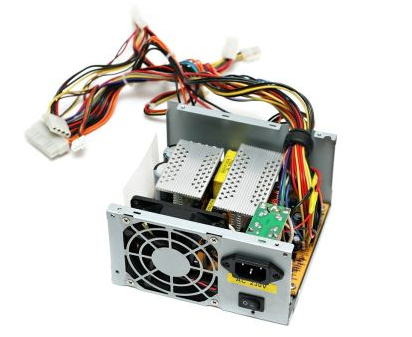
Computer hardware functions through a complex arrangement of pivotal components. The Central Processing Unit (CPU) serves as the primary processing unit, while memory and storage elements retain data in varying capacities. The motherboard orchestrates communication between these parts, and the power supply manages energy distribution. Understanding these interactions is crucial for comprehending system performance. However, the nuances of each component’s role require further exploration to fully grasp their impact on overall functionality.
The Central Processing Unit (CPU)
The Central Processing Unit (CPU) serves as the brain of a computer, executing instructions from programs and managing data flow within the system.
CPU architecture determines the efficiency of processing speed, influencing how quickly tasks are completed. Advanced designs optimize performance, allowing for parallel processing and enhanced instruction execution.
Understanding CPU intricacies is essential for those seeking to maximize computational freedom and capability.
See also: speednewscentral
Memory and Storage Components
Memory and storage components play a crucial role in a computer’s overall functionality, providing both temporary and permanent data retention.
Various RAM types, such as SDRAM and DDR, facilitate swift data access, while storage technologies, including SSDs and HDDs, ensure long-term data preservation.
Together, these components enhance performance and efficiency, allowing users to manage information dynamically and effectively.
Motherboard and Connectivity
At the heart of a computer system lies the motherboard, a critical component that serves as the central hub for communication between various hardware elements.
Different motherboard types, such as ATX and microATX, offer varying connectivity options, including USB ports, PCIe slots, and network interfaces.
These options facilitate the integration of peripherals and enhance system performance, reflecting the user’s need for flexibility and expansion.
Power Supply and Cooling Systems
Power supply units (PSUs) and cooling systems are essential for maintaining the stability and efficiency of computer hardware.
PSUs ensure power efficiency by converting and distributing electrical energy effectively, while cooling systems facilitate thermal management, preventing overheating during operation.
Together, they optimize performance and prolong hardware lifespan, allowing users to harness the full potential of their systems without compromising reliability or safety.
Conclusion
In summary, the intricate interplay of the CPU, memory, storage, motherboard, and power supply is fundamental to computer hardware functionality. Each component plays a pivotal role in ensuring that data processing and communication occur seamlessly, ultimately determining system performance. As technology continues to evolve, one must consider: how will advancements in hardware redefine our computing capabilities? Understanding these components not only enhances technical knowledge but also prepares individuals for future developments in the field.