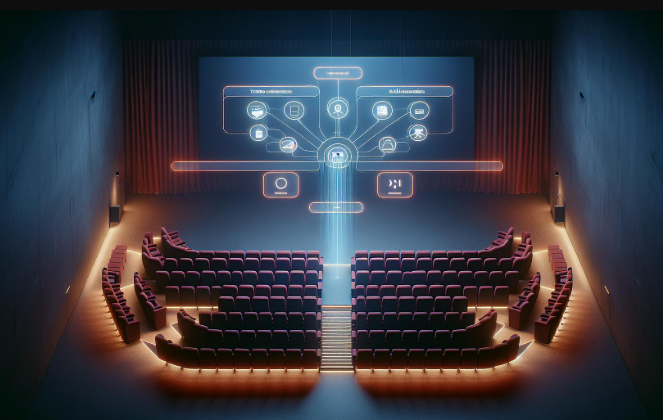
The global entertainment landscape is evolving rapidly, and theatres must adapt to shifting audience expectations, technological disruption, and tighter profit margins. At the centre of this transformation lies cinema management, a discipline that now integrates operational efficiency, digital systems, financial intelligence, and customer engagement into a unified strategy. Success is no longer determined solely by blockbuster releases; it depends on how effectively theatres manage resources, leverage data, and create memorable experiences.
Understanding the Modern Audience
Today’s moviegoer is digitally connected, experience-driven, and value-conscious. Convenience is a baseline expectation, not a competitive advantage. Customers expect seamless online booking, quick entry processes, comfortable seating, and diverse concession options.
Effective theatre leadership begins with understanding these expectations. Audience insights gathered through ticketing platforms, loyalty programs, and post-visit surveys provide valuable data. Analyzing this information allows managers to identify patterns such as peak attendance times, preferred genres, and spending habits.
Rather than making assumptions, data-backed decisions help theatres tailor offerings to match demand. For example, a theatre located in a family-centric neighbourhood may prioritize animated releases and group packages, while an urban location might emphasize late-night screenings and premium formats.
Strategic Screen and Showtime Planning
Maximizing screen utilization is a cornerstone of profitability. Empty seats represent lost revenue opportunities, making efficient scheduling critical.
Modern scheduling strategies use historical attendance data combined with advance booking trends to optimize showtimes. If demand spikes for a new release, additional screenings can be introduced quickly. Conversely, low-performing time slots can be reduced to free up capacity for alternative programming such as live events or private rentals.
Staggered showtimes also improve lobby flow, reducing congestion and enhancing customer satisfaction. Thoughtful programming ensures that each screen contributes consistently to overall revenue targets.
Integrating Technology for Seamless Operations
Technology integration defines contemporary theatre operations. Point-of-sale systems, ticketing platforms, digital signage, and accounting software must function cohesively.
Cloud-based management systems allow real-time performance monitoring across multiple locations. Theatre owners can track daily sales, concession performance, and occupancy rates remotely, enabling faster strategic decisions.
Automation reduces administrative workload and minimizes errors. For instance, automated reporting tools eliminate manual reconciliations, while inventory management systems track concession stock levels to prevent shortages.
When systems communicate effectively, operational bottlenecks decrease and staff productivity increases.
Financial Visibility and Margin Control
Strong financial oversight ensures sustainability in a competitive environment. Detailed revenue segmentation—tickets, concessions, advertising, private bookings—provides clarity on profit drivers.
Expense monitoring is equally critical. Utility costs, staffing expenses, and maintenance fees should be evaluated regularly. Energy-efficient lighting and predictive equipment maintenance reduce long-term overheads.
Cash flow forecasting enables theatres to navigate seasonal fluctuations. Summer blockbusters may generate high revenue, while quieter months require disciplined cost management. Transparent financial dashboards support informed budgeting decisions and long-term investment planning.
Enhancing the Concession Experience
Concessions are often the most profitable segment of theatre operations. However, maximizing this potential requires strategic planning.
Analyzing sales data reveals which products drive the highest margins and customer satisfaction. Introducing limited-time offerings tied to major film releases can create excitement and boost average spend.
Digital ordering and self-service kiosks reduce wait times and encourage upselling through visual prompts. Bundled offers designed around audience segments—such as family combos or premium snack packages—further increase transaction value.
Maintaining quality and speed at concession stands directly impacts overall guest perception.
See also: How Digital Communication Has Evolved
Workforce Efficiency and Service Culture
Employees are central to delivering exceptional experiences. Even with advanced technology, positive human interaction remains essential.
Strategic workforce planning aligns staffing levels with projected attendance. Data-driven scheduling ensures adequate coverage during peak hours while controlling payroll expenses during slower periods.
Comprehensive training programs build both operational competence and customer service skills. When staff understand expectations and receive consistent feedback, service standards improve naturally.
Recognizing achievements and fostering open communication cultivate a motivated team environment. Engaged employees enhance brand reputation through attentive service.
Marketing Alignment with Operational Insights
Marketing effectiveness increases when aligned with operational data. Rather than broad campaigns, targeted promotions based on audience behavior produce stronger results.
For example, data may show that midweek attendance is consistently low. In response, management can introduce discounted midweek screenings or loyalty point bonuses to stimulate demand.
Social media engagement also plays a vital role. Behind-the-scenes content, interactive polls, and user-generated reviews create authentic connections with audiences. Responding promptly to online feedback demonstrates accountability and reinforces trust.
Collaborations with local businesses or schools further embed the theatre within the community, building long-term loyalty.
Innovation and Future Readiness
The cinema industry continues to adapt to emerging technologies and consumer preferences. Enhanced projection systems, immersive sound formats, and premium seating configurations redefine expectations.
Forward-thinking theatres explore subscription models and experiential events to diversify revenue. Live concert broadcasts, esports tournaments, and cultural festivals attract new demographics and fill off-peak schedules.
Artificial intelligence may soon influence personalized film recommendations and predictive attendance forecasting. Embracing innovation positions theatres ahead of competitors who rely solely on traditional methods.
Building Long-Term Sustainability
Sustainable growth requires a balance between operational discipline and creative experimentation. Continuous performance evaluation ensures that strategies remain relevant as market conditions evolve.
Leadership teams must foster a culture of improvement, encouraging feedback and exploring new revenue opportunities without compromising financial stability.
Ultimately, successful theatre operations depend on strategic coordination across departments—technology, finance, marketing, and customer service working together toward shared goals. By embracing adaptability, leveraging data, and prioritizing guest experience, theatres can transform challenges into opportunities and secure a resilient future in an ever-changing entertainment landscape.