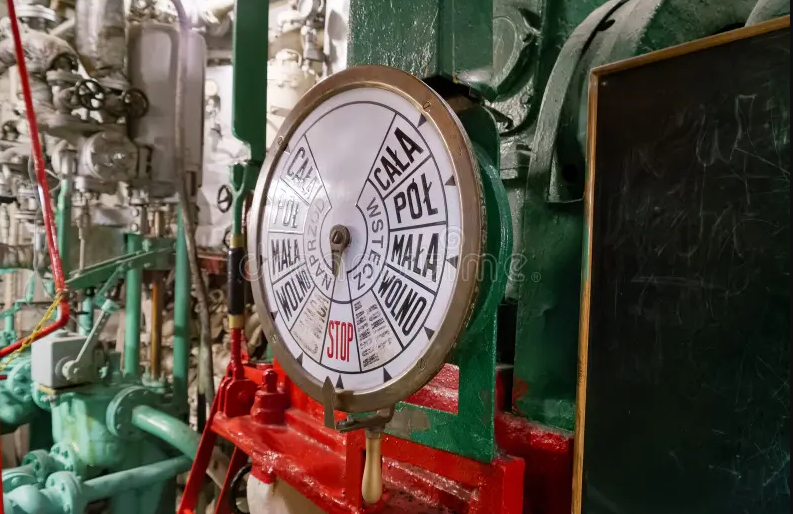
The engine room of any boat is one of the most critical areas onboard. It houses the heart of your vessel, your engine and other essential mechanical systems. Despite its importance, many boat owners overlook proper lighting in this space, which can lead to operational inefficiencies, maintenance challenges, and even safety hazards. Proper boat engine room lights are essential not only for visibility but also for improving safety, efficiency, and overall vessel performance.
Why Engine Room Lighting Matters
Boat engine rooms are typically compact, enclosed spaces with limited natural light. Technicians or crew members working in dim or poorly lit areas may struggle to inspect, maintain, or repair components efficiently. This can result in:
- Increased risk of accidents – Slips, trips, and burns are more likely in poorly lit engine compartments.
- Maintenance errors – Misreading gauges, misaligning parts, or overlooking leaks can cause significant engine problems.
- Operational delays – Crew members may spend extra time troubleshooting due to inadequate visibility.
Good lighting ensures that every corner of the engine room is illuminated, enabling crew members to perform their duties quickly and safely. Discover the benefits of upgrading to modern boat engine room lights for a safer and brighter engine room.
Types of Boat Engine Room Lights
When selecting lighting for your boat’s engine room, it’s important to choose fixtures that are suitable for marine environments. Engine room lights need to withstand heat, moisture, vibration, and sometimes even exposure to fuel or oils. Common options include:
1. LED Engine Room Lights
LEDs are becoming the industry standard for marine applications due to their energy efficiency, durability, and bright illumination. They produce less heat than traditional bulbs, reducing fire hazards, and consume minimal power, which is critical on vessels running on battery systems.
Benefits of LED engine room lights:
- Long lifespan (often 50,000 hours or more)
- Low power consumption
- Minimal heat production
- Vibrant, even illumination
2. Fluorescent Engine Room Lights
Fluorescent lights were popular in older boats because they provide bright, diffuse light suitable for engine rooms. However, they have largely been replaced by LEDs due to shorter lifespan, higher energy consumption, and sensitivity to vibration.
3. Spotlights and Task Lights
For areas requiring focused illumination such as near engine gauges, pumps, or electrical panels—spotlights and task lights are ideal. These lights can be positioned to highlight specific zones, making it easier to perform inspections and maintenance.
4. Waterproof and Explosion-Proof Lights
In certain boats, particularly commercial vessels or fuel-powered yachts, safety is paramount. Waterproof and explosion-proof engine room lights provide protection against oil, fuel, and moisture, preventing sparks or fires in hazardous environments.
Key Features to Look for
When upgrading or installing engine room lights, consider these important features:
- Brightness (Lumens) – A higher lumen rating ensures the area is well-lit. Most engine rooms benefit from lights producing 800–1,200 lumens per fixture.
- Color Temperature – Cool white (5000–6000K) LEDs mimic daylight, improving visibility and reducing eye strain.
- Durability – Look for corrosion-resistant materials such as stainless steel or marine-grade plastics.
- Energy Efficiency – LED lights consume less battery power, which is especially important on sailboats or vessels with limited electrical capacity.
- Ease of Installation – Many modern LED fixtures are plug-and-play, allowing for easy retrofitting or replacement.
Installation Tips for Maximum Efficiency
Proper placement and installation of boat engine room lights can significantly enhance visibility and safety:
- Even Distribution – Avoid placing lights in just one corner. Distribute multiple fixtures to reduce shadows.
- Position Away from Heat Sources – Mount lights away from exhausts or hot engine parts to prevent heat damage.
- Adjustable Fixtures – Consider flexible or adjustable lights for task areas, enabling targeted illumination.
- Protect Wiring – Use marine-grade wiring and waterproof connectors to prevent short circuits or corrosion.
See also: From Alarms to Smart Cameras: Securing Homes Across Ireland
Maintenance of Engine Room Lights
Maintaining engine room lighting is crucial for long-term performance and safety. Here are some tips:
- Regular Cleaning – Wipe down fixtures to remove dust, oil, and grime. Dirty lights can reduce brightness and visibility.
- Inspect for Corrosion – Check for rust or corrosion around mounts and connections, especially in saltwater environments.
- Check Connections – Loose wires or failing connectors can cause flickering or outages.
- Replace Aging Fixtures – Even high-quality LEDs may dim over time. Replace fixtures that show signs of wear or reduced output.
Safety Advantages
Proper engine room lighting contributes to safety in several ways:
- Improved Visibility – Reduces the risk of accidents when moving around tools, cables, or equipment.
- Early Detection of Issues – Leaks, overheating components, or loose parts can be spotted quickly under good lighting.
- Emergency Preparedness – In emergencies, well-lit engine rooms allow faster access to engine controls, fuel shut-offs, or electrical panels.
Energy Efficiency and Cost Savings
While engine room lighting may seem like a minor investment, it can save money in the long term:
- Lower Power Consumption – LEDs use far less energy than incandescent or fluorescent bulbs.
- Reduced Replacement Costs – Longer lifespan means fewer replacements, saving on both material and labor costs.
- Minimized Engine Downtime – Well-lit engine rooms enable faster repairs and maintenance, keeping your vessel operational.
Conclusion
Investing in proper boat engine room lights is not just a matter of convenience—it’s a critical step for enhancing safety, efficiency, and operational reliability on your vessel. Modern LED solutions offer energy efficiency, durability, and bright, even illumination, making it easier to monitor and maintain your engine and associated systems. Whether you are a recreational boater or a professional mariner, upgrading your engine room lighting ensures you can work safely and efficiently, no matter the time of day or conditions at sea.
A well-lit engine room reduces accidents, allows for quicker maintenance, and prolongs the life of your equipment, ultimately protecting both your investment and your crew. For any boat owner looking to optimize performance and safety, proper engine room lighting is a simple, effective, and essential upgrade.