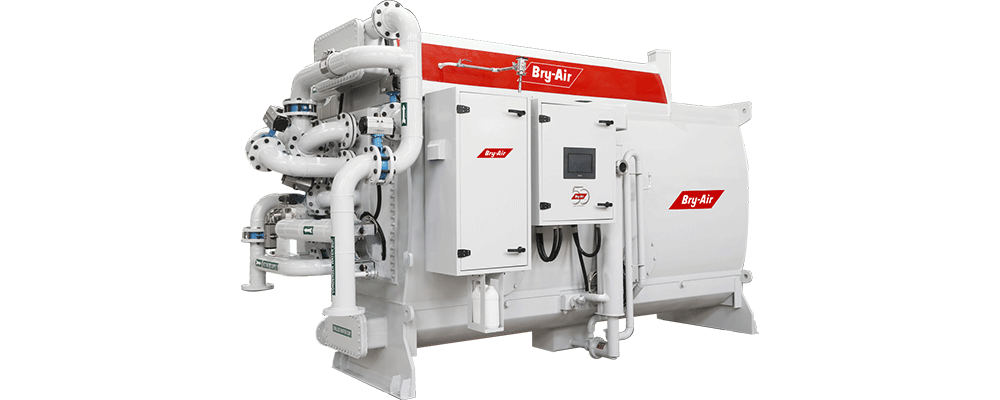
Cooling systems are a fundamental requirement in industrial and commercial environments where temperature control directly impacts operational efficiency and product quality. Traditional cooling systems often rely heavily on electricity and refrigerants, which can lead to high energy consumption and environmental concerns. This has led to the growing adoption of innovative solutions such as Adsorption Chillers that offer energy-efficient and sustainable cooling alternatives.
Adsorption chillers operate using a completely different principle compared to conventional systems. Instead of relying on mechanical compression, they use heat energy to drive the cooling process. This makes them particularly suitable for industries looking to utilize waste heat or renewable energy sources for cooling purposes.
The increasing focus on sustainability and energy efficiency has made adsorption chillers an attractive choice for modern facilities. By reducing reliance on electricity and minimizing environmental impact, these systems help businesses achieve both operational and environmental goals.
What Makes Adsorption Chillers Different from Conventional Systems
Heat Driven Cooling Technology
Adsorption chillers use heat as their primary energy source, which sets them apart from traditional vapor compression systems. They utilize materials such as silica gel or zeolite that can adsorb and release water vapor. This process creates a cooling effect without the need for high electricity consumption.
The system works by using heat to regenerate the adsorbent material, allowing it to continuously absorb moisture and produce cooling. This cycle ensures consistent performance while maintaining energy efficiency.
This technology allows industries to make use of low-grade heat sources such as waste heat from industrial processes or solar energy. As a result, adsorption chillers provide a sustainable solution for cooling needs.
Minimal Use of Refrigerants
Another key advantage of adsorption chillers is their minimal reliance on harmful refrigerants. Traditional systems often use chemicals that can contribute to environmental issues. In contrast, adsorption chillers typically use water as a refrigerant, making them environmentally friendly.
This not only reduces the environmental impact but also ensures compliance with evolving regulations related to refrigerant usage. It makes adsorption chillers a future-ready solution for industries seeking sustainable operations.
Benefits of Using Adsorption Chillers
Energy Efficiency and Cost Savings
One of the most significant benefits of adsorption chillers is their ability to reduce energy consumption. By utilizing waste heat or renewable energy sources, these systems lower the dependence on electricity. This leads to substantial cost savings over time.
Energy-efficient systems also help reduce operational expenses and improve overall profitability. Businesses can achieve better performance while minimizing energy costs.
Environmentally Sustainable Cooling
Sustainability is a major focus for modern industries, and adsorption chillers support this goal by reducing carbon emissions. Their use of natural refrigerants and alternative energy sources makes them an eco-friendly choice.
By implementing such systems, businesses can contribute to environmental conservation while meeting regulatory requirements. This enhances their reputation and supports long-term sustainability initiatives.
Reliable and Low Maintenance Operation
Adsorption chillers are known for their simple design and fewer moving parts compared to conventional systems. This results in lower maintenance requirements and increased reliability.
The absence of complex mechanical components reduces the risk of breakdowns and ensures consistent performance. This makes them suitable for applications where reliability is critical.
Role of Adsorption Chiller Manufacturers in Industrial Growth
Innovation and Technological Advancements
Leading Adsorption Chiller Manufacturers play a crucial role in advancing cooling technologies. They focus on developing systems that are more efficient, compact, and adaptable to different industrial requirements.
Continuous innovation ensures that these systems can meet the evolving needs of industries. Manufacturers invest in research and development to improve performance and enhance energy efficiency.
Custom Solutions for Diverse Applications
Different industries have unique cooling requirements, and manufacturers provide customized solutions to address these needs. This includes designing systems that can integrate with existing infrastructure and utilize available energy sources effectively.
Customized solutions ensure that businesses can achieve optimal performance while maintaining efficiency. This flexibility makes adsorption chillers suitable for a wide range of applications.
Applications of Adsorption Chillers Across Industries
Industrial Processes and Manufacturing
In industrial settings, cooling is essential for maintaining process stability and product quality. Adsorption chillers provide an efficient solution by utilizing waste heat generated during production.
This not only improves energy efficiency but also enhances overall operational performance. Industries can achieve better results while reducing energy consumption.
Commercial Buildings and HVAC Systems
Adsorption chillers are also used in commercial buildings for air conditioning and temperature control. Their ability to use alternative energy sources makes them an ideal choice for large facilities seeking sustainable solutions.
These systems help reduce electricity consumption and provide reliable cooling for various applications.
Renewable Energy Integration
One of the key advantages of adsorption chillers is their compatibility with renewable energy sources such as solar power. By integrating with solar thermal systems, they can provide cooling without relying on conventional energy sources.
This supports the transition to sustainable energy and reduces the overall environmental impact of cooling systems.
Key Factors to Consider When Choosing Adsorption Chillers
Capacity and System Design
Selecting the right adsorption chiller depends on the cooling requirements of the facility. Factors such as size, load, and application need to be considered to ensure optimal performance.
Proper system design ensures efficient operation and consistent cooling across the facility.
Energy Source Availability
The effectiveness of adsorption chillers depends on the availability of a suitable heat source. Facilities with access to waste heat or renewable energy can maximize the benefits of these systems.
Understanding energy availability helps in choosing the right system and achieving the desired efficiency.
Maintenance and Long Term Reliability
Although adsorption chillers require less maintenance compared to traditional systems, regular servicing is still important to ensure optimal performance. Choosing a reliable system with durable components helps ensure long-term operation.
Proper maintenance practices contribute to efficiency and extend the lifespan of the equipment.
Conclusion
Adsorption chillers represent a significant advancement in cooling technology, offering energy-efficient and environmentally sustainable solutions for industrial and commercial applications. By utilizing heat energy and reducing reliance on electricity and harmful refrigerants, these systems provide a practical approach to modern cooling challenges.
Their ability to integrate with renewable energy sources and utilize waste heat makes them an ideal choice for businesses seeking to improve efficiency and reduce environmental impact. As industries continue to prioritize sustainability, adsorption chillers will play an increasingly important role in shaping the future of cooling technologies.
For organizations looking to adopt advanced cooling solutions, selecting the right system and manufacturer is essential. To explore available options and receive expert guidance, visit the Contact Us page and connect with professionals who can help you choose the most suitable solution for your specific requirements.