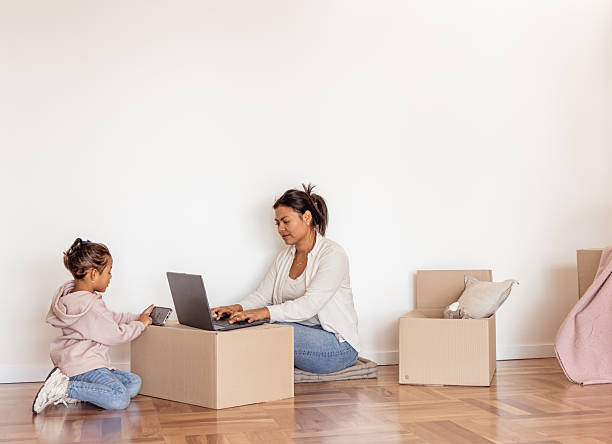
Moving to a new city reshapes routines, relationships, and priorities in ways both exciting and challenging. For many professionals and families, moving in Melbourne or any unfamiliar urban environment introduces fresh opportunities alongside pressures that can disrupt established work-life balance.
Adapting successfully requires intentional planning, emotional awareness, and sustainable habits that align work commitments with personal wellbeing.
Relocation often amplifies stress because daily logistics change simultaneously. Commutes, social networks, services, and workplace expectations shift at once.
Without conscious adjustment, work hours can expand while personal time shrinks, creating imbalance. Understanding how transitions affect lifestyle patterns is the first step toward restoring equilibrium.
Understanding Work-Life Balance in a New Environment
Relocation alters daily rhythms, support networks, and professional expectations simultaneously. What previously felt balanced may suddenly feel overwhelming or unstructured. Recognizing that imbalance during transition is normal helps reduce self-criticism and allows individuals to intentionally rebuild routines suited to their new city context.
A new city disrupts invisible systems that once supported efficiency. Familiar grocery stores, nearby childcare, predictable travel times, and established friendships vanish. These changes add cognitive load and decision fatigue. Many people compensate by extending work hours or postponing personal activities until stability returns.
Balance after relocation is therefore less about maintaining previous routines and more about designing new ones. This mindset shift encourages experimentation with schedules, locations, and habits that better match the new environment rather than forcing past patterns onto different circumstances.
The Psychological Impact of Relocation
Moving cities often triggers mixed emotions including excitement, uncertainty, loneliness, and pressure to succeed. These emotional fluctuations affect concentration, energy, and motivation at work and home. Acknowledging relocation as a major life transition supports healthier expectations about productivity and adjustment timelines.
People frequently underestimate relocation stress because it lacks a single dramatic event. Instead, small disruptions accumulate daily. Navigating unfamiliar streets, meeting new colleagues, and managing administrative tasks gradually drain mental reserves. This hidden stress can manifest as irritability, fatigue, or overworking.
Understanding this psychological load helps individuals avoid self-blame. Reduced efficiency during adjustment does not indicate failure or incompetence. It reflects normal cognitive adaptation to new surroundings. Compassionate self-awareness supports healthier work boundaries and personal recovery time.
Rebuilding Daily Structure After a Move
Establishing predictable routines restores stability and reduces decision fatigue after relocation. Consistent wake times, meal patterns, and work blocks create familiarity within unfamiliar surroundings. Structured days accelerate adjustment, improve productivity, and protect personal time from expanding work demands in new environments.
Routine anchors provide psychological safety. Even small habits like morning walks or evening reading signal continuity amid change. These anchors reduce anxiety and free mental resources for professional tasks and social adaptation. Gradually, the new city begins to feel manageable rather than chaotic.
Rebuilding structure also clarifies boundaries. When work hours and personal rituals are defined early, they resist later erosion. Without intentional structure, relocation uncertainty can lead to constant availability, blurred schedules, and chronic imbalance that becomes difficult to reverse.
Designing a New Morning Routine
Morning rituals set emotional tone and cognitive readiness for the entire day. After moving, intentional mornings counteract environmental unfamiliarity. Simple repeated actions create continuity, grounding attention before exposure to new commute patterns, workplaces, or social expectations in the city.
A relocation-friendly morning routine prioritizes stability over ambition. Rather than adopting elaborate habits, focusing on consistent timing, light movement, and calm preparation builds reliability. Predictable mornings reduce stress spikes and strengthen the sense of control essential during transition.
Evening Transitions That Protect Personal Time
Evenings often absorb spillover work during relocation because professional adaptation feels urgent. Creating deliberate shutdown rituals separates work from personal life. Clear transitions signal psychological closure, preventing new city pressures from consuming rest, relationships, and recovery periods.
Shutdown practices might include reviewing tasks, preparing tomorrow’s priorities, and physically leaving workspace areas. These signals help the brain disengage from professional concerns. Over time, consistent evening transitions reinforce healthy limits despite ongoing adaptation demands.
Managing Commute and Location Changes
New cities often introduce longer or more complex commutes, altering time availability and energy levels. Transportation decisions directly influence work-life balance. Evaluating travel modes, distances, and schedules early allows residents to reclaim personal time and reduce daily exhaustion.
Commute changes affect more than duration. Sensory load, crowd density, and unpredictability influence stress. A slightly longer but calmer route may preserve wellbeing better than a faster chaotic option. Intentional experimentation helps identify sustainable travel patterns within the new environment.
Remote or hybrid adjustments can also rebalance time. Negotiating flexible hours or occasional home working during relocation phases acknowledges transition strain. Many organizations support such arrangements when employees communicate needs clearly and proactively.
See also: Key Elements That Make a Website Visually Appealing
Building Social Support in the New City
Relocation temporarily removes informal support networks that previously buffered stress. Rebuilding friendships, community ties, and professional relationships restores emotional resilience. Social connection reduces isolation and prevents work from becoming the sole source of identity and interaction.
New residents often delay socializing until fully settled, but early connection accelerates adjustment. Casual interactions create familiarity with neighborhoods, services, and culture. Even limited local relationships provide reassurance and practical guidance during adaptation.
Healthy social rebuilding avoids overcommitment. Balancing exploration with rest prevents social fatigue. Gradual connection maintains energy while fostering belonging, allowing work and personal life to integrate organically rather than compete for limited time.
Finding Community Through Everyday Activities
Shared routines such as fitness classes, local markets, or hobby groups provide low-pressure social entry points. Regular participation fosters recognition and conversation naturally. Familiar faces emerging in daily environments transform anonymous cities into relational spaces supporting emotional wellbeing.
Routine-based communities integrate seamlessly into schedules. Unlike sporadic events, recurring gatherings align with lifestyle habits. This integration supports sustainable social connection without adding scheduling stress during relocation adjustment phases.
Setting Work Boundaries During Transition
Professional expectations may intensify after relocation due to new roles, environments, or desire to prove competence. Without boundaries, work can dominate adjustment periods. Conscious limit-setting protects personal wellbeing while maintaining performance in unfamiliar workplaces.
New employees or transferred professionals often overextend availability to demonstrate commitment. While understandable, chronic overextension accelerates burnout. Balanced performance emerges from sustainable pacing rather than constant responsiveness during adaptation phases.
Clear communication supports boundaries. Informing colleagues about relocation logistics, commute changes, or temporary constraints fosters realistic expectations. Most organizations value transparency and respect reasonable adjustment needs when expressed constructively.
Creating Personal Spaces That Support Balance
Living environments strongly influence recovery and emotional stability after moving. Thoughtful home organization creates comfort, identity, and separation between work and personal life. Even temporary residences can support balance through intentional spatial design.
Designing restorative corners or routines within homes reinforces personal life importance. Dedicated relaxation areas, hobby spaces, or quiet reading zones signal non-work identity. These spaces counteract relocation’s tendency to prioritize functional setup over emotional comfort.
Environmental familiarity also accelerates adaptation. Displaying meaningful objects, photos, or textures anchors continuity across locations. Such sensory stability supports emotional regulation and reduces the psychological distance between old and new homes.
Maintaining Health and Energy During Adjustment
Relocation disrupts exercise routines, sleep patterns, and nutrition habits. Physical wellbeing often declines temporarily, reducing resilience to stress. Prioritizing foundational health behaviors stabilizes energy, mood, and productivity while adapting to new environments.
Movement anchors familiarity in the body despite external change. Exploring neighborhoods through walking or cycling simultaneously supports fitness and orientation. This dual benefit accelerates both physical health and environmental familiarity.
Sleep consistency remains critical. New noises, light patterns, or schedules can fragment rest. Maintaining pre-move sleep timing where possible preserves circadian stability. Adequate rest strengthens emotional regulation essential for balancing work and personal demands.
Practical Habits That Support Relocation Balance
Small consistent behaviors stabilize wellbeing more effectively than ambitious lifestyle overhauls during relocation. Focusing on repeatable, low-effort practices sustains energy and reduces overwhelm while new city demands remain high.
- Maintain consistent sleep and wake times daily
- Schedule weekly personal activities before work tasks
- Explore neighborhoods through routine walks
- Limit overtime during first adjustment months
- Keep familiar meals within weekly rotation
Long-Term Integration of Work and Life
True balance emerges once new city familiarity replaces transition uncertainty. Over time, routines, relationships, and environments align naturally. Intentional early strategies gradually become automatic habits sustaining equilibrium without constant effort.
Integration involves aligning professional goals with lifestyle possibilities unique to the new city. Opportunities for recreation, learning, or networking may differ from previous locations. Embracing these differences supports authentic adaptation rather than nostalgic comparison.
Balanced residents eventually experience the new city as supportive rather than disruptive. Work and personal life coexist within a coherent environment. This stage reflects successful psychological settlement and sustainable lifestyle design.
Conclusion
Relocating to a new city inevitably disrupts established work-life balance, but this imbalance is temporary and manageable. By acknowledging transition stress, rebuilding routines, nurturing social connection, and protecting boundaries, individuals can create healthier equilibrium than before. Adaptation becomes an opportunity to redesign lifestyle intentionally rather than replicate past patterns.
Frequently Asked Questions (FAQs)
How long does it take to regain work-life balance after moving?
Most people regain stable balance within three to six months, depending on job demands, housing stability, and social integration. Adjustment accelerates when routines, sleep patterns, and social connections are intentionally rebuilt rather than postponed during relocation transitions.
Why does work feel more overwhelming after relocation?
Relocation increases cognitive load through unfamiliar environments, new relationships, and logistical decisions. This mental strain reduces available energy, making normal workloads feel heavier. As familiarity grows, perceived workload typically returns to previous manageable levels naturally.
Should I reduce work hours temporarily after moving?
If feasible, slightly reduced or flexible hours during early relocation can support adjustment without harming long-term productivity. Even small flexibility windows allow time for administrative tasks, orientation, and personal setup that stabilize overall work-life balance sooner.
How can I balance socializing and rest in a new city?
Alternate exploration days with recovery periods to prevent social fatigue. Prioritize recurring low-effort activities like neighborhood walks or regular classes rather than frequent events. Gradual connection builds community sustainably without overwhelming limited adjustment energy.
Is it normal to feel unproductive after moving cities?
Yes. Temporary productivity dips are common during relocation due to cognitive adaptation and environmental unfamiliarity. Performance typically rebounds as routines stabilize and mental load decreases. Self-compassion and structured habits accelerate this natural recovery process.